
Cavities are very common, but they do not appear all at once. They usually form gradually over time as daily habits, food choices, and plaque buildup affect the teeth. Many people know sugar plays a role, but they may not always understand how the full process works. The good news is that once you understand how cavities develop, it becomes easier to make simple choices that help protect your teeth and support a healthy smile.
What Causes Cavities to Develop
Cavities form when plaque and bacteria stay on the teeth for too long. Bacteria feed on sugars and starches from food and drinks, and this process creates acids that gradually wear down the outer surface of the teeth. If plaque is not removed regularly, the tooth surface can weaken over time and become more vulnerable to decay. Cavities usually develop slowly rather than suddenly, which is why consistent oral hygiene matters so much. Small amounts of buildup left undisturbed day after day can create the kind of environment where decay is more likely to form.
How Daily Habits Affect Cavity Risk
Daily habits can either increase or lower cavity risk over time. Frequent snacking, sugary or sticky foods, inconsistent brushing, and skipping flossing can all give plaque more opportunity to remain on the teeth. Not drinking enough water can also make it easier for food particles and residue to linger in the mouth. Delaying routine dental visits may allow small concerns to go unnoticed for longer than they should. Cavities are often linked to repeated patterns rather than one single snack or one missed brushing session. When daily habits stay off track over time, the risk of decay tends to increase. When routines are more consistent, it becomes easier to support healthier teeth and reduce the chance of future problems.
How to Help Prevent Cavities
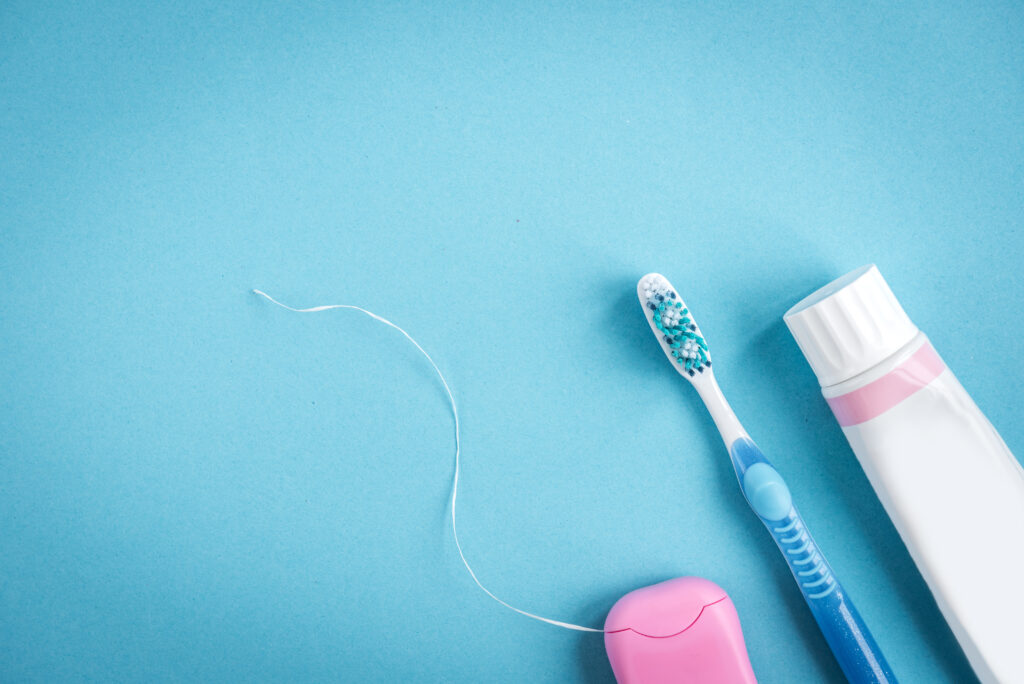
Preventing cavities starts with simple habits repeated consistently. Brushing twice a day and flossing daily help remove plaque before it has more time to settle on the teeth. Drinking water through the day can also help support a cleaner mouth, especially after meals and snacks. Being more mindful of sugary foods and drinks can make a difference, particularly when they are consumed frequently. Regular dental checkups and cleanings also play an important role by helping monitor your oral health and catch smaller concerns before they become larger ones. Daily home care and routine dental visits work best when they support each other.
At Bloor Smile Dental in Toronto, the team helps patients protect healthy, confident smiles with practical preventive care and personalized guidance that supports long term oral health and smile maintenance, making it easy to schedule your next visit and stay ahead of cavities with consistent care.